

You’ll notice that some of the questions in today’s Mailbag don’t have links.
Those are from people who contributed to last November’s GiveDirectly fundraiser at a tier that entitles them to ask a must-answer Mailbag question. I’ve been a little bit remiss in getting to fulfilling my end of the bargain on that, but those answers should be rolling out over the next few weeks. If you’re feeling jealous, Slow Boring will be doing the fundraiser again this November, so look out for that!
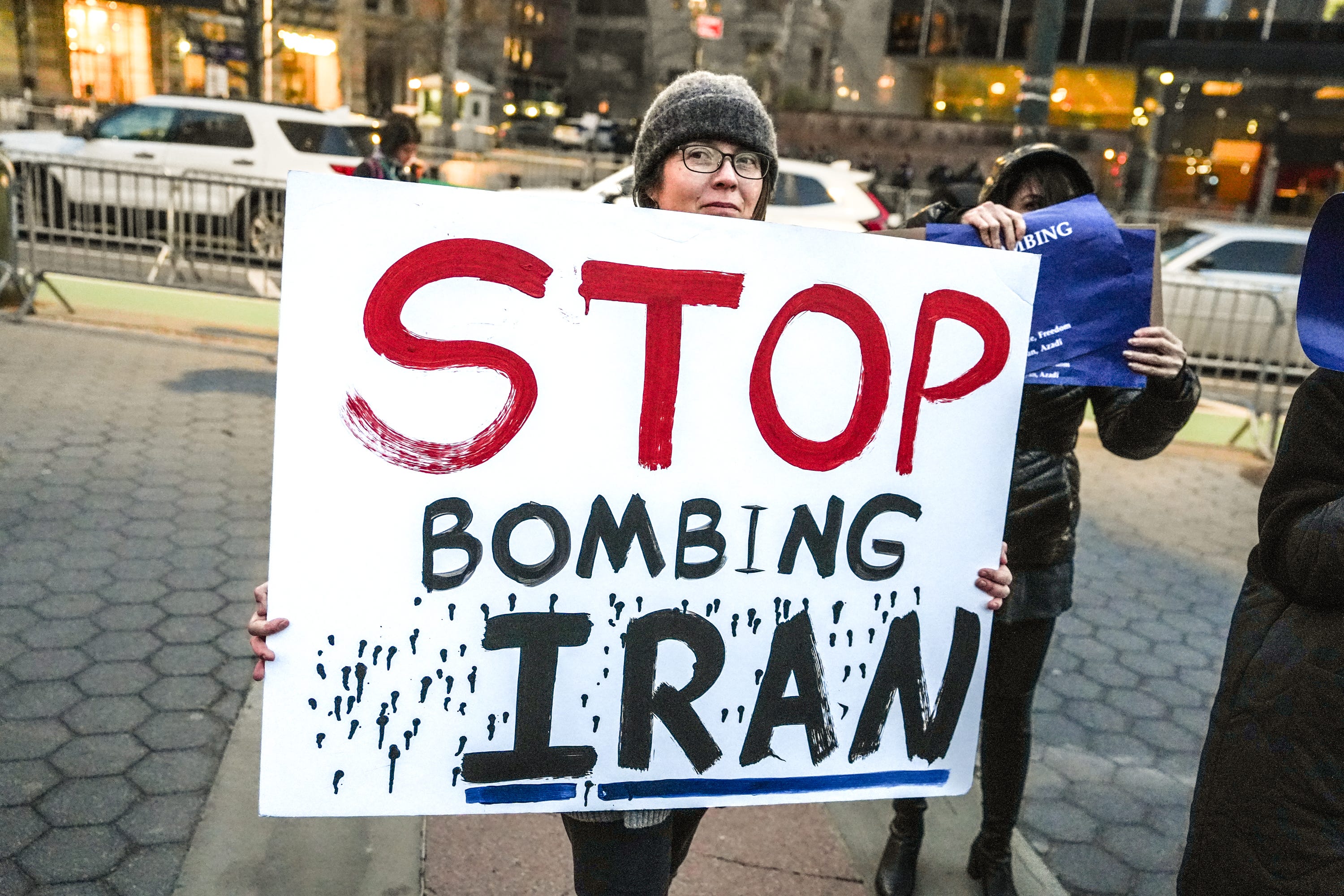
M_McQ: If you were in charge, and weren’t worried about short term political consequences, what would you do about the Iran situation? The 2026 attack was clearly a mistake, but Iran does not want to return to the previous status quo. Is there a “least bad” deal we should be aiming for?
This is a case where I think it’s very important that Donald Trump try to actually fix the mess that he made because if the war somehow lingers for two more years and it becomes President Gavin Newsom’s problem, it’s going to be very challenging to resolve.
To see why, you need to go back to 2015 when the Obama administration was close to finalizing the negotiations on the Joint Comprehensive Plan of Action and Tom Cotton tried to scuttle the deal by writing a letter cosigned by most Senate Republicans warning that the G.O.P. was not going to consider itself bound by anything Barack Obama agreed to, so a deal would be pointless from an Iranian point of view. The White House convinced the Iranians that this was wrong, and if Hillary Clinton had won in 2016, it might have been wrong. Indeed, even after Donald Trump won in 2016, there was some thought that he might find it pragmatic to abide by the terms of the deal after all. There were people inside his administration, in fact, who warned him against tearing it up. But he did tear it up, and the Iranians ended up in exactly the position Cotton had tried to warn them about. The Iranians stayed fairly chill about this, opting to try to wait Trump out and see what happened next.
What happened next was Joe Biden became president and his team essentially proposed going back to the Obama-era deal.
The Iranians, understandably, said there was no point in doing a deal that was just going to be broken if the next administration was Republican. They demanded front-loaded concessions from the Biden administration because they no longer felt that American diplomatic agreements were credible. The Biden administration, also understandably, did not want to make a bunch of politically toxic upfront concessions to a regime that is justifiably held in low regard by the American people. So they back-burnered the whole thing, tried to work on Saudi-Israel normalization, and hoped for the best. This diplomatic situation probably provided some of the impetus for the 10/7 attack, which, whatever else it did, does seem to have scuttled efforts to build a regional anti-Iranian coalition.
Then Trump came back and of course we know what happened there.
The point of all this is that not only do the Iranians not particularly want to return to the pre-war status quo, but I also think they really don’t want to negotiate with Democrats at all. They are aware that a Democratic administration is unlikely to bomb them — Biden did not and his team acted to restrain Israel in this regard as well — but they’re also aware that a Democratic administration can’t conclude agreements that will stick. So the basic shape of Biden-era diplomacy, where it’s objectively hard to reach a deal, will obtain in 2029. Offsetting that is the fact that the war is genuinely very bad for Iran — if you think Americans are mad about expensive diesel, things are much worse over there — so there is an incentive to try to resolve this. But it’s just challenging for Democrats to try to make the kind of commitments that the Iranians would want.
It’s, of course, also hard for Trump to resolve this.